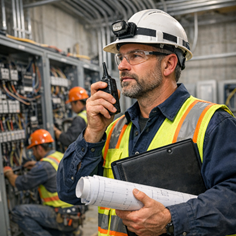
Starting a Career in the Electrical Field: A Guide for Students and Parents
Why Choose the Electrical Field?
Choosing a career in the electrical field can be rewarding and secure. Electricity powers every aspect of modern life, which means skilled electrical workers are always in demand. In the United States, skilled trades like electrical work face worker shortages, creating excellent job opportunities for newcomers. Unlike some careers that might be outsourced or automated, electrical jobs require hands-on work on-site – you can’t wire a building or repair a power line from a computer in another country. This makes electrical careers future-proof in an age of automation.

From a financial perspective, the electrical field offers competitive pay and growth. Entry-level electricians (apprentices) start with modest wages but see steady raises as they gain experience. Once you become a licensed electrician (often called a journeyman), your earning potential increases significantly. And if you advance to master electrician or start your own contractor business, six-figure incomes are achievable over time. In short, this field offers a solid middle-class income without the hefty college tuition bills, making it an attractive option for many families.
Finally, a career in electricity can be personally fulfilling for those who enjoy problem-solving, hands-on work, and seeing the tangible results of their efforts. Whether it’s restoring power after a storm or installing lighting in a new home, electricians often take pride in work that directly helps people and communities.
Getting Started: Education and Training
High School Preparation: Middle and high school students can start preparing now. Focus on classes like math, physics, and shop/technology courses – these build a foundation for understanding electrical concepts. If your school offers any vocational programs in electrical technology or allows you to attend a technical high school part-time, take advantage of that opportunity. Also, develop good problem-solving skills and comfort with tools. Even simple hobbies like building circuits (e.g. in a school robotics club) or fixing electronics can spark your interest and look great when applying for apprenticeships or colleges.
Apprenticeships (Earn-and-Learn): The most common way to become an electrician is through an apprenticeship program after high school. Apprenticeships are typically 4–5 year programs where you work under experienced electricians and take classes in electrical theory and code. The best part is apprentices get paid while they learn – usually starting around 50% of a journeyman electrician’s wage (often about $18–$25 per hour to start, depending on region). As you gain skills, your pay increases. By the end of the apprenticeship, you’ll have thousands of hours of hands-on experience. Apprenticeships are offered by union organizations (like the International Brotherhood of Electrical Workers, IBEW) as well as non-union organizations (such as independent electrical contractors). To find an apprenticeship, you can check out the U.S. Department of Labor’s https://www.apprenticeship.gov/apprenticeship-job-finder or contact local IBEW chapters and electrical contractors in your area.
Trade Schools and Community College: Some students choose to attend a trade school or community college program in electrical technology (often 1-2 years) before or instead of an apprenticeship. These programs provide classroom instruction and basic hands-on labs. After completing a program, you typically still need to work as an apprentice to gain on-the-job experience, but you might start at a slightly higher pay or shorter apprenticeship because of your schooling. Trade school can be a good option if you prefer a more structured learning environment upfront. Just be mindful of cost – unlike apprenticeships, school programs charge tuition (though financial aid may be available). Always choose a reputable, accredited program if you go this route.
College Path (Electrical Engineering): For students whose goals are to design or innovate in electrical technology, becoming an electrical engineer is another path within the “electrical field.” This route requires going to college for a Bachelor’s degree in Electrical Engineering (or a related field). It’s a more academic path – you’ll study advanced math and science and may not get as much hands-on wiring experience in school. Electrical engineers don’t need an electrician’s license, but they often pursue an EIT/FE and PE license (Engineer in Training and Professional Engineer certification) if working in fields like power systems. While college can be expensive, starting salaries for electrical engineers are quite high (often around $70k–$80k for new graduates). If you love math, science, and innovation, this path might suit you. Students can prepare by excelling in high school STEM courses and exploring engineering clubs or competitions (like FIRST Robotics).
Essential Certifications and Licenses: No matter which training route you choose, becoming a practicing electrician in the U.S. requires licensure in your state. Typically, after completing an apprenticeship (or equivalent experience) you must pass a state Journeyman Electrician exam to be licensed. Many states then offer a Master Electrician license exam after additional years of experience. These licenses ensure you know the electrical code and can work safely. There are also specialty certifications for things like low-voltage systems, solar installations, or industrial controls if you go into those areas. Always research your state’s requirements (your state’s Department of Labor or licensing board website will have details). For those going the engineer route, certifications aren’t mandatory to start work, but as mentioned, you might take the Fundamentals of Engineering (FE) exam after college as a first step toward a Professional Engineer license, especially if working in power or building systems design.
Career Advancement & Earning Potential
One of the exciting aspects of the electrical field is the clear advancement pathway for electricians and the increasing earnings that come with experience. Here’s how a typical progression works:
- Apprentice Electrician (Trainee): As an apprentice, you are learning the trade. You’ll work under supervision and attend classes (often at night). Apprentices usually earn around $30,000–$40,000 per year to start and pay rises each year of the program. It’s modest but remember you’re also getting a free education in a trade. By the final year, many apprentices earn closer to the full electrician rate.
- Journeyman Electrician (Licensed): After completing the apprenticeship and passing the journeyman exam, you become a journeyman electrician. Journeymen can work independently, which means they can do jobs without supervision and command higher pay. The average salary for a journeyman electrician in the U.S. is around $50,000–$60,000 per year (about $25–$30 per hour), though this can vary by region and industry. In areas with strong union wages or high demand (or with lots of overtime available), experienced journeymen can earn $70k or more annually. At this stage, you might also choose to specialize (for example, focusing on industrial systems or becoming a lineman for a utility company).
- Master Electrician (Expert): With several more years of experience and an additional exam, electricians can become master electricians. Masters are experts who often supervise other electricians, design electrical systems, and handle the most complex jobs. Masters typically earn more; it’s not uncommon for a master electrician to make $60,000–$100,000+ per year, depending on location and whether they are in a union or contracting business. Masters have the credentials to pull permits and may run large projects. Many will also train apprentices. Achieving master status is a milestone that often comes 7-10 years into an electrical career.
- Electrical Contractor/Business Owner: Some master electricians take the next step and become independent contractors or start their own companies. In this role, you might hire a team of electricians. Earnings can vary widely, but owning a successful electrical contracting business can yield six-figure incomes (the Blue Collar Project example shows an electrician running a small business earning $180k+ by their early 30s). Of course, running a business comes with risks and responsibilities, but the potential is there. Even without starting your own company, experienced electricians can move into roles like project managers, electrical inspectors (working for a city or county), or trainers, which often come with stable, high-end salaries as well.
In parallel, if you chose the electrical engineer path, advancement looks a bit different:
- Entry-Level Electrical Engineer: After college, you might start as a junior engineer or engineer-in-training. Starting salaries are usually excellent – roughly in the $70k–$80k range on average for new grads. Engineers typically work for engineering firms, manufacturers, or utility companies.
- Professional Engineer/Experienced Engineer: With 5-10 years of experience, electrical engineers often move up to design lead or project engineer roles. Many pursue a Professional Engineer (PE) license in their mid-career. Median salaries for electrical engineers nationwide are around $100,000 per year (meaning half earn more, half earn less). Those who move into management (like an engineering manager or chief engineer) can earn well above that, especially in industries like tech or power generation.
- Management or Specialized Roles: Down the line, an electrical engineer might become an engineering manager, director, or even start their own design consulting firm. These roles can also lead to high pay (often into six figures). While the engineer’s path requires a four-year college start, the long-term earnings can be very rewarding, comparable to or even beyond what an electrician contractor might earn – it all depends on the industry and role.
What about Linemen? A quick note on power line installers (linemen): This is another specialized path in the electrical field. Linemen install and repair the high-voltage lines that carry electricity from power plants to homes and businesses. The training is often through a power lineman apprenticeship (separate from the inside electrician programs) or a specialized training school. It’s a physically demanding and sometimes hazardous job (climbing utility poles or working in bucket trucks high off the ground, often in all weather). Because of that, linemen are very well paid – often on par with or higher than the best-paid electricians. Many linemen earn over $70,000 a year, and with overtime (for example, restoring power after storms), they can earn six figures. If you love the idea of working outdoors and don’t mind heights, this is a thrilling path to consider. (Plus, who doesn’t think utility trucks and climbing gear are cool?)
The bottom line is that advancement in the electrical field comes with significant pay increases and opportunities. You’re never stuck in one spot: there’s always a next step to strive for, whether it’s a higher license, a new specialty, or a leadership role.
Different Career Paths in the Electrical Field
One size does not fit all in the electrical field. You can tailor your career to your interests. Here are some of the diverse career paths available:
- Residential Electrician: These electricians focus on homes and housing. They install and repair wiring, lighting, and electrical systems in residences – from single-family houses to apartment buildings. If you like working directly with homeowners and doing a wide variety of small projects (one day wiring a new home, another day fixing someone’s broken doorbell), the residential side might appeal to you. Training: High school + apprenticeship + state licensure. Work environment: Varied locations (new construction sites or occupied homes). Earnings: Similar to the general electrician averages (around the mid-$50,000s annually), with potential to grow if you run your own service van or business.
- Commercial Electrician: Commercial electricians work on larger projects like retail stores, office buildings, schools, or hospitals. They deal with bigger electrical systems than homes – often three-phase power, backup generators, and complex wiring runs. This path might interest you if you want to be part of constructing big buildings or maintaining systems in facilities like schools or hospitals. Training: High school + apprenticeship (some apprenticeships specialize in commercial work) + licensure. Work environment: Construction sites or commercial facilities, sometimes at heights (installing conduit in ceilings, etc.). Earnings: Generally, in the same range or slightly higher than residential electricians – many commercial electricians earn in the upper-$50k to $60k annually, especially with some years of experience.
- Industrial Electrician: Industrial electricians work in factories, manufacturing plants, and industrial environments. They maintain and install heavy machinery, motors, and control systems. If you’re fascinated by big machines and how things are made (and don’t mind getting a little dirty in industrial settings), this could be your niche. Industrial electricians often need to learn about programmable logic controllers (PLCs) and advanced motor controls. Training: High school + apprenticeship (often an industrial apprenticeship program) + licensure. Sometimes an employer might prefer an associate degree in electrical technology for industrial maintenance roles, but experience is usually most important. Work environment: Factories, refineries, industrial sites – often shift work because factories run 24/7. Earnings: Industrial settings sometimes pay a premium for the specialized skills – often around $60k or more per year on average. Unionized industrial electricians (e.g., in automotive plants or steel mills) can earn high wages, and there’s plenty of overtime in some plants which can boost pay.
- Lineman (Power Line Technician): As mentioned, linemen work on the outdoor power lines. This path is quite different from the indoor electricians above. It involves climbing utility poles, working in bucket trucks, and handling very high voltage lines. It’s physically demanding and requires strict safety practices. However, for those who love adventure and working outside, this job is extremely respected. Linemen often travel to restore power after natural disasters (hurricanes, ice storms) – a noble and essential service. Training: High school + lineman apprenticeship or trade school + specialized safety training (climbing, rigging) + usually a commercial driver’s license (to drive big trucks). These programs are often run by utility companies or unions (like the IBEW has lineman programs too, and organizations like the Northwest Lineman College offer training). Work environment: Outdoors, at great heights, in various weather conditions. Team-oriented (you work in crews). Earnings: High. Many linemen make $70k-$100k per year once experienced, especially with overtime. Even apprentices often start above $40k due to the demanding nature of the job. It’s a riskier job, but the compensation reflects that.
- Electrical Engineer: Electrical engineers typically work in design and development rather than installation. They might design electrical systems for buildings, develop new electronic devices or power systems, or work on improving the electrical grid. This is more of an office or lab job compared to the others, and it requires a college degree (as discussed). If you enjoy science, math, and computing, and want to work on big-picture electrical innovations, this is the path for you. Training: Bachelor’s (4-year) degree in electrical engineering (and possibly state engineering licensure for certain roles). Work environment: Offices, labs, or industrial plants – not usually on active construction sites except for inspections. Earnings: Around $100k per year on average for established engineers (with ~$70k–$80k starting salaries for new grads). Engineers often have excellent benefits and long-term career growth potential in larger organizations.
Below is a summary table of these career paths, including the typical education/training required and the average U.S. salary for each path:
| Career Path | Education/Training Required | Average Salary (USA) |
| Residential Electrician | High school diploma; 4–5 year apprenticeship; state electrician license | ~$55,000 per year |
| Commercial Electrician | High school diploma; apprenticeship (often through union or contractor); state license | ~$60,000 per year |
| Industrial Electrician | High school diploma; apprenticeship (or trade school) with industrial focus; state license | ~$60,000+ per year |
| Lineman (Power Line Tech) | High school diploma; lineman training program or apprenticeship; specialized safety certifications | ~$75,000 per year |
| Electrical Engineer | Bachelor’s degree in Electrical Engineering (4-year college); (FE/PE license optional) | ~$100,000 per year |
Note: Salaries are approximate averages for mid-career professionals in the U.S. Actual salaries can vary widely based on region, experience, and the employing company or union. For example, entry-level earnings will be lower, and union electricians in big cities might earn more than the averages listed. Always check local data for the most accurate information.
Resources for Training and Career Planning
Embarking on this path is exciting, and you’re not alone. There are many resources to help students and parents learn more and take the next steps:
- Occupational Outlook (Electricians) – The U.S. Bureau of Labor Statistics’ https://www.bls.gov/ooh/construction-and-extraction/electricians.htm provides a great overview of the job, including typical duties, required training, salary statistics, and job growth projections. It’s a trustworthy source for up-to-date info about the career prospects in the electrical field.
- Find an Apprenticeship – The U.S. Department of Labor’s https://www.apprenticeship.gov/ is an official resource where you can search for registered apprenticeship programs by state and occupation. Use it to find electrician or lineman apprenticeships near you and learn about how to apply. Local union websites (like your state/local IBEW chapter) and trade associations (such as the Independent Electrical Contractors – IEC) also list apprenticeship opportunities.
- Trade Schools & Community Colleges – Websites like https://www.careeronestop.org/FindTraining (sponsored by the U.S. Department of Labor) allow you to search for community colleges or technical schools offering electrical programs. When evaluating a program, look for one that has good connections to employers or apprenticeships. Don’t hesitate to reach out to admissions offices and ask about job placement rates in the electrical field.
- Certifications and Licensing Info – Every state has different licensing requirements for electricians. A good starting point to learn about your state is this https://www.careeronestop.org/Toolkit/Training/find-licenses.aspx on CareerOneStop (enter “electrician” and your state). It will tell you what licenses or exams are required locally. Additionally, the https://www.electricaltrainingalliance.org/ (a partnership of IBEW and electrical contractors) offers top-notch apprenticeship training content and can connect you with local training centers.
- Career Exploration for Students – If you’re still in school and just exploring, try resources like SkillsUSA or your school’s career counselor for information on youth programs. Some areas have pre-apprenticeship programs or summer camps in the trades for high schoolers. Also, reading first-hand accounts or watching YouTube videos of electricians and linemen at work can give you a feel for the day-to-day job. Websites of organizations like the National Electrical Contractors Association (NECA) and IBEW often have youth outreach information and success stories of people who chose the trades.
Starting a career in the electrical field is a journey filled with opportunity. Whether you wire smart homes, keep the lights on in a hospital, climb poles to restore power, or design the next generation of renewable energy technology, you’ll be doing work that truly matters. The path isn’t always easy – it takes dedication to master the skills and a commitment to safety and continuous learning – but it is highly rewarding. Many who start as young electricians find themselves financially independent and building a satisfying career by their mid-twenties. Parents can take comfort because this field offers stable, respectable work and plenty of room for growth.
If the idea of becoming an electrician or electrical professional sparks your interest, now is the perfect time to explore it. Talk to local electricians or linemen, ask to job shadow if possible, and tap into the resources above. With hard work and the right training, you could be on your way to joining the next generation of skilled electrical workers powering our world. Good luck and stay safe!